
Microneedling for Acne Scars An In-Depth Guide to Skin Renewal, Results, and What to Expect
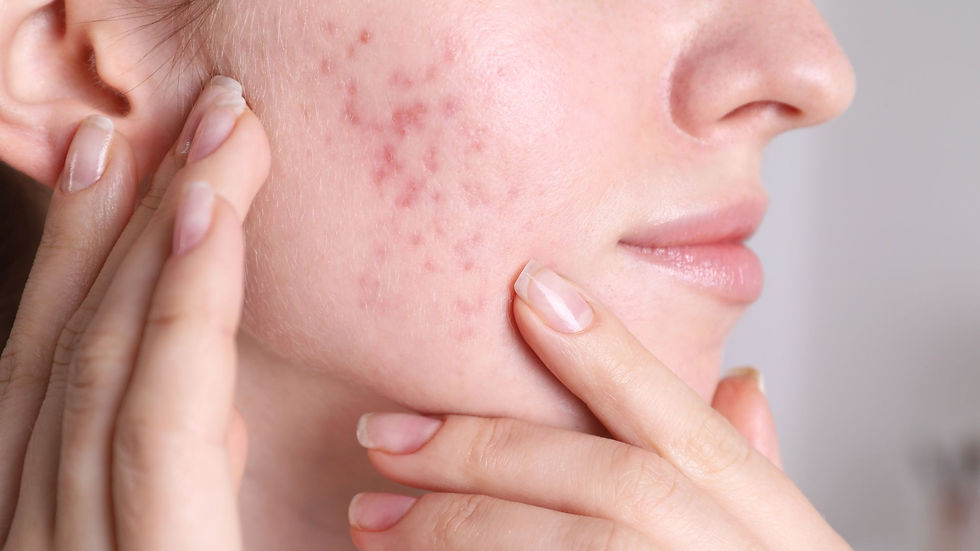
Acne scars can linger long after breakouts have faded, often affecting not only the skin’s texture but also a person’s confidence. For those seeking a refined, minimally invasive solution, microneedling for acne scars has become a widely respected option in modern dermatology and aesthetic care. It offers a balanced approach—stimulating the skin’s natural healing process while gradually improving the appearance of scars over time.
In this guide, we’ll explore how this treatment works, who it is suitable for, what results to expect, and why it continues to stand out as a trusted acne scars treatment.

Understanding Acne Scars
Before exploring treatment, it helps to understand what acne scars are and why they form. Acne scars develop when inflammation damages the skin tissue during a breakout. The body attempts to repair this damage, but the healing process can sometimes produce either too little or too much collagen.
There are several types of acne scars, including:
Atrophic scars (such as ice pick, boxcar, and rolling scars)
Hypertrophic scars (raised scars caused by excess collagen)
Post-inflammatory hyperpigmentation (dark spots rather than true scars)
While some treatments target pigmentation, microneedling for acne scars is particularly effective for improving skin texture and stimulating collagen production to reduce the appearance of atrophic scars.
What Is Microneedling?
Microneedling is a controlled skin treatment that uses fine, sterile needles to create micro-injuries in the skin. These tiny punctures trigger the body’s natural healing response, which includes increased collagen and elastin production.
This process is central to microneedling for acne scars, as it encourages the skin to rebuild itself from within. Over time, this leads to smoother, firmer, and more even-toned skin.
Professionals often use devices such as dermarollers or advanced motorized pens to ensure precision and safety. When performed correctly, this treatment is both effective and minimally invasive compared to more aggressive procedures.
How Microneedling Helps Acne Scars
The effectiveness of microneedling for acne scars lies in its ability to stimulate the skin’s natural repair mechanisms. As the micro-injuries heal, the skin produces fresh collagen, which gradually fills in depressed scars.
This treatment works particularly well for:
Rolling scars, which have a wave-like appearance
Boxcar scars, which are broader and have defined edges
Mild to moderate textural irregularities
One of the advantages of this acne scars treatment is that it improves skin quality over time rather than offering a temporary cosmetic fix. The results develop gradually, creating a more natural-looking improvement.
What to Expect During the Procedure
A typical session of microneedling for acne scars begins with a consultation to assess your skin type and scar severity. A topical numbing cream is usually applied to ensure comfort during the procedure.
The treatment itself involves gently moving the microneedling device across the targeted areas. The sensation is often described as light pressure or mild scratching.
After the procedure, the skin may appear red or slightly swollen, similar to a mild sunburn. This is a normal response and typically subsides within a few days.
It is important to follow aftercare instructions carefully, as proper healing plays a crucial role in the success of any acne scars treatment.
Recovery and Aftercare
Recovery after microneedling for acne scars is generally straightforward. Most individuals can resume normal activities within a day or two, although the skin may remain sensitive for a short period.
Key aftercare tips include:
Avoiding direct sun exposure
Using a gentle, hydrating skincare routine
Refraining from makeup for at least 24 hours
Keeping the skin clean and moisturized
These steps help support the skin’s natural healing process and enhance the results of the treatment. Following proper aftercare is an essential part of any effective acne scars treatment plan.
Results and Timeline
The results of microneedling for acne scars are not immediate, and this is an important aspect to understand. Because the treatment works by stimulating collagen production, improvements occur gradually over several weeks to months.
Many individuals begin to notice subtle changes after the first session, with more noticeable improvements appearing after multiple treatments. A series of sessions is typically recommended to achieve optimal results.
Over time, the skin may appear smoother, firmer, and more even in tone. While no treatment can completely erase all scars, microneedling for acne scars can significantly reduce their visibility, leading to a more refined complexion.
Who Is a Good Candidate?
This treatment is suitable for many individuals, particularly those with:
Mild to moderate acne scarring
Uneven skin texture
Realistic expectations about gradual improvement
However, microneedling for acne scars may not be recommended for individuals with active acne, certain skin infections, or specific skin conditions. A professional evaluation is always necessary to determine suitability.
As with any acne scars treatment, understanding your skin’s unique needs ensures safer and more effective results.
Benefits of Microneedling for Acne Scars
There are several reasons why this treatment continues to gain popularity:
Minimally invasive: No surgical procedures or extensive downtime
Natural results: Enhances the skin’s own healing process
Versatile: Suitable for various skin types and tones
Gradual improvement: Results appear naturally over time
Because it works with the body rather than against it, microneedling for acne scars is often considered a balanced and thoughtful approach to skin rejuvenation.
Potential Side Effects
Like any cosmetic procedure, microneedling for acne scars may come with temporary side effects. These can include:
Redness
Mild swelling
Sensitivity
Slight peeling as the skin heals
These effects are typically short-lived and are part of the skin’s natural recovery process. When performed by a trained professional, the risks are minimal.
Combining Microneedling with Other Treatments
For enhanced results, microneedling for acne scars is sometimes combined with other treatments such as serums, platelet-rich plasma (PRP), or chemical peels.
These combinations can further support skin healing and improve overall results. However, any combination therapy should be guided by a qualified professional to ensure safety and effectiveness within your acne scars treatment plan.
Final Thoughts
Acne scars can be a persistent reminder of past breakouts, but modern skincare offers effective ways to improve their appearance. Microneedling for acne scars stands out as a thoughtful, science-backed solution that works with the body’s natural healing process.
While results require patience and consistency, the gradual improvements can be both meaningful and long-lasting. For those seeking a non-invasive and reliable acne scars treatment, microneedling provides a balanced path toward smoother, healthier-looking skin.
Ready to take the next step toward smoother, healthier-looking skin?
Book your consultation at SkinLAB in Calgary and discover a personalized approach to skin rejuvenation designed to support your unique goals.
Whether you are exploring options like microneedling for acne scars or looking for an effective acne scars treatment, the team at SkinLAB provides expert care, advanced techniques, and tailored treatment plans to help you achieve visible, lasting results.
Your skin deserves thoughtful, professional attention. Schedule your appointment with SkinLAB in Calgary today and begin your journey toward clearer, more confident skin.


Comments